
Technical SEO Checklist for Business Websites: The Complete 2026 Developer & Founder Guide
A developer-first technical SEO guide covering crawlability, canonical URL alignment, Core Web Vitals optimization, and rich schema markup for modern web applications.
Mr. Prakash Yadav
Co-Founder & CTO, BounceTech Solutions

- ✓Technical SEO is the foundation of organic visibility: without clean crawlability, even world-class content will fail to index or rank.
- ✓Every indexable URL must have exactly one self-referencing canonical tag matching the preferred protocol and domain (apex vs www).
- ✓Prerendered HTML (SSR/SSG) ensures search engine bots index content immediately without relying on secondary JavaScript rendering passes.
- ✓Rich Schema.org JSON-LD (Organization, ProfessionalService, Service, FAQPage, BreadcrumbList) earns rich snippets and enhances AI search visibility.
Why Technical SEO Makes or Breaks Organic Growth
You can write the most insightful, in-depth articles in your industry, but if your web architecture prevents search engine crawlers from parsing your pages efficiently, your organic traffic will remain near zero. Technical SEO is the infrastructure layer of search discoverability.
This checklist outlines the non-negotiable architectural requirements every modern business website must satisfy in 2026.
1. Crawlability, Sitemaps & Robots.txt
- Clean robots.txt: Ensure
/robots.txtreturns HTTP 200, allows public crawling (Allow: /), blocks private admin/API endpoints (Disallow: /api/), and declares the absolute sitemap location. - Dynamic XML Sitemap: Maintain an automated
/sitemap.xmlthat outputs only 200 OK indexable canonical URLs with accuratelastmodtimestamps. Never include 301 redirects, 404 pages, or noindex URLs in your sitemap. - Clean 404 Responses: Non-existent URLs must return genuine
HTTP 404 Not Foundstatus codes with<meta name="robots" content="noindex"/>and zero canonical tags to prevent soft-404 dilution.
2. Canonical URLs & Redirect Chain Elimination
Duplicate content confuses search engines about which URL is authoritative. Enforce strict single-origin canonicalization:
- Apex vs. WWW Normalization: Choose one primary domain (e.g.,
https://bouncetechsolutions.com) and configure your edge hosting to issue permanent 308 redirects from all secondary variations (http://, www., etc.) in a single hop. - Self-Referencing Canonical Tags: Every indexable page must contain exactly one
<link rel="canonical" href="https://yourdomain.com/exact-path"/>matching the primary domain. - Trailing Slash Consistency: Standardize whether URLs end with or without trailing slashes across internal links, sitemaps, and canonicals.
3. Core Web Vitals & Asset Optimization
Google's page experience signals directly impact search rankings:
- Largest Contentful Paint (LCP < 2.5s): Preload hero fonts with
next/fontand prioritize hero images with modern WebP/AVIF compression. - Interaction to Next Paint (INP < 200ms): Break up long JavaScript main-thread tasks, minimize third-party tracking scripts, and use efficient state management.
- Cumulative Layout Shift (CLS < 0.1): Always specify explicit
widthandheightattributes on images and videos to prevent layout jank as assets load.
4. Structured Data & Rich SERP Snippets
Structured data helps search engines and AI answer engines understand the entities behind your content:
- Organization & ProfessionalService Schema: Declared on your homepage with verified logo, founding team, contact points, and official social links.
- BreadcrumbList Schema: Implemented on all secondary pages with 1-based position indexing to earn hierarchical breadcrumbs in Google SERPs.
- FAQPage Schema: Added to service and educational guides where visible FAQ accordions exist to capture expanded search snippet real estate.
- BlogPosting Schema: Added to every article detailing headline, author, publication date, and featured image.
Need help auditing and optimizing your technical infrastructure? Explore our Website Maintenance & Technical SEO Services.
Questions People Frequently Ask
What is the most common technical SEO mistake on modern web apps?
Inconsistent canonical URLs and redirect chains—such as having a server redirect www to apex while the rendered HTML canonical tags point back to www. This confuses search engine crawlers and causes indexing loops.
Does Google index client-side rendered React apps properly?
Googlebot does execute JavaScript, but it operates on a two-wave indexing system. Client-side rendering consumes crawl budget and can delay indexing by days or weeks. Using server-side rendering (SSR) or static generation (SSG) solves this completely.
How do I verify that my structured data is valid?
Use Google's official Rich Results Test and Schema.org Validator tools to confirm syntax, ensure required properties (e.g., @context, @type, name, url) are present, and verify zero warnings.
Written by Engineering Expert
Mr. Prakash Yadav
Prakash is the technical visionary and principal architect at BounceTech Solutions, specializing in mobile application development (Flutter, React Native, Swift, Kotlin), high-throughput cloud architectures, and Next.js full-stack engineering.
Keep Reading
Related Articles & Guides
 Web Development
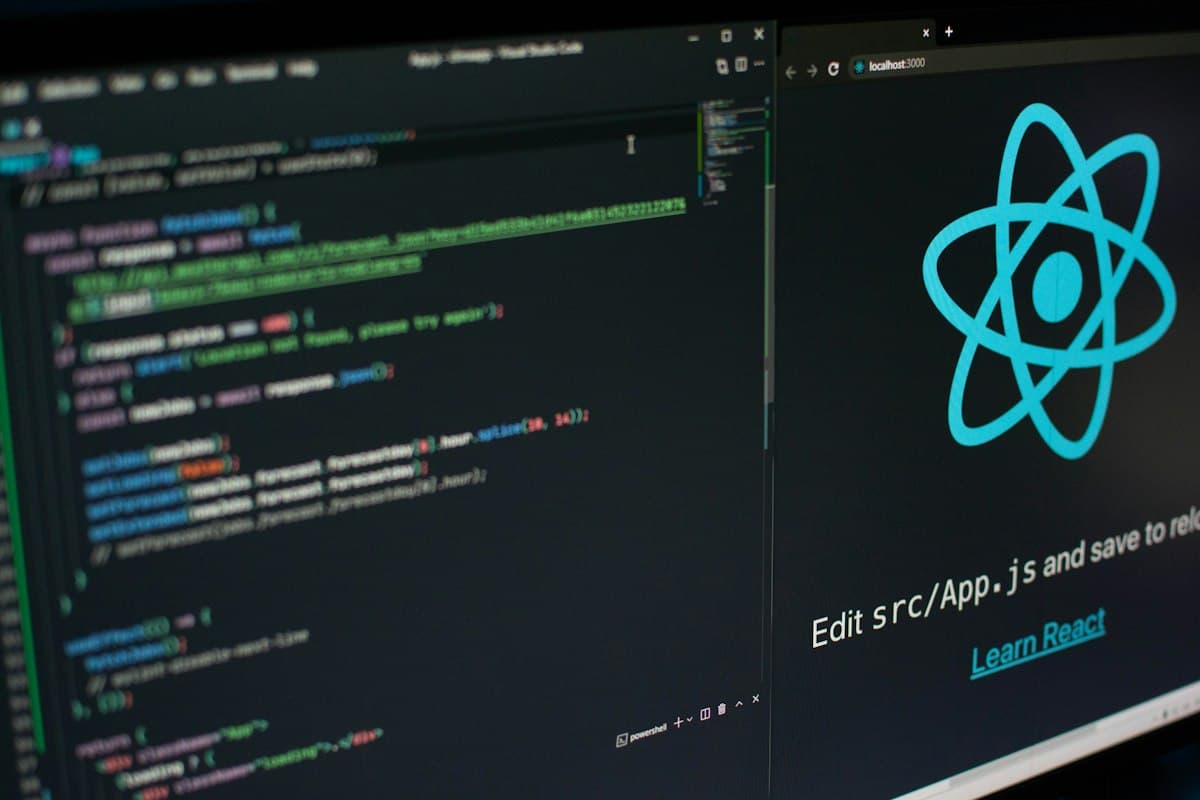
Next.js vs React in 2026: Which Framework Should You Choose for Your Business?
An in-depth technical and business comparison between Next.js and pure React to help you pick the right framework for scale and SEO.
 Web Development
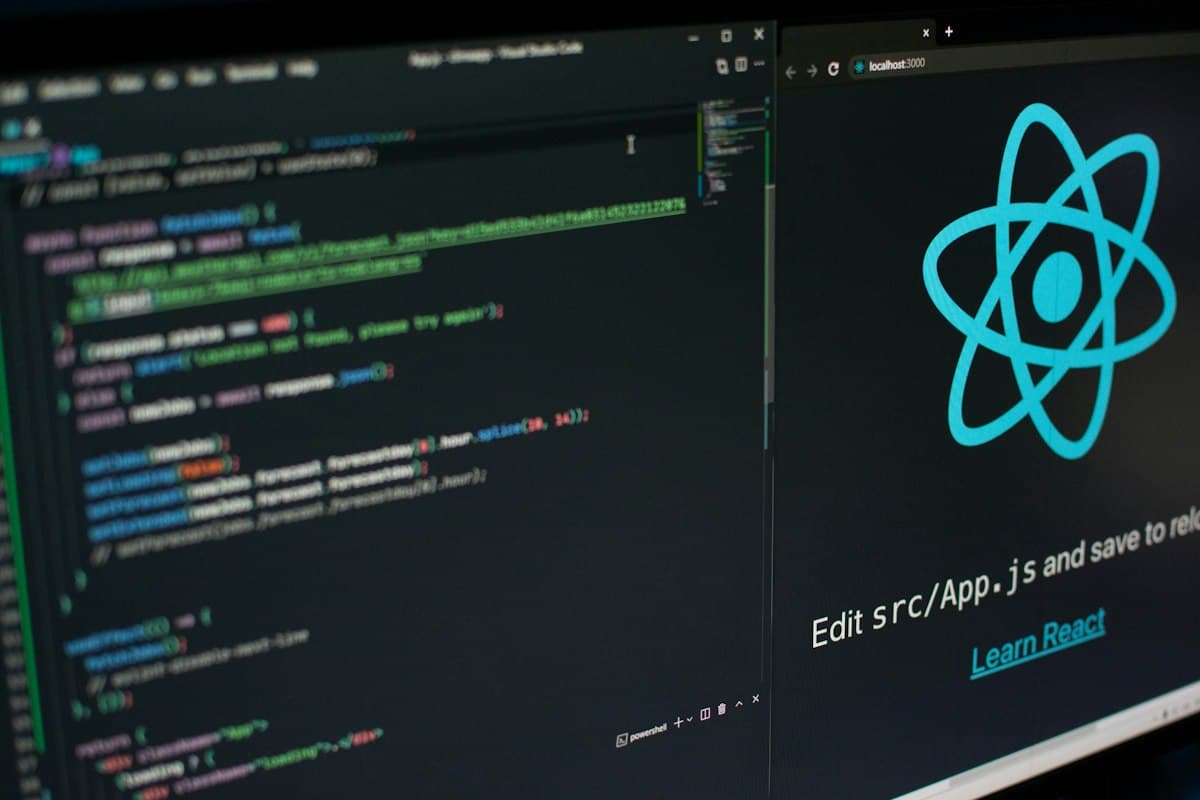
Custom Website vs WordPress in 2026: Performance, SEO, Security, and Total Cost Breakdown
Should your business build on WordPress or invest in a custom Next.js web application? A detailed breakdown of speed, security vulnerabilities, SEO, and total cost of ownership.
 Cloud Computing
Cloud Cost Optimization (AWS & DevOps): How to Reduce Cloud Spend by 30-50% Without Sacrificing Performance
An engineering guide to auditing AWS infrastructure, rightsizing compute resources, eliminating idle cloud waste, and lowering cloud spend by up to 50%.
Turn these architectural insights into reality.
Partner with BounceTech Solutions for custom software development, telemedicine apps, SaaS MVPs, and scalable cloud systems.